EN
EN FR
FR PT
PT AR
AR
Finding the right kitchen cabinet supplier can make the difference between a profitable project and an expensive mistake. Whether you are a homeowner planning a remodel, a contractor managing multiple renovations, a developer furnishing apartments, or a distributor building your product line, cabinets are one of the most important purchases in any kitchen project.
Cabinets define storage, style, layout efficiency, and long-term durability. They also represent a major portion of the kitchen budget. That is why choosing a reliable supplier matters just as much as choosing the cabinet design itself.
In today’s Western market, buyers increasingly look for suppliers who can provide strong quality control, flexible customization, dependable delivery, and competitive pricing. They want more than products—they want a smooth purchasing experience.
This guide explains how to evaluate a kitchen cabinet supplier, what products are available, how pricing works, and why global sourcing has become a smart option for many businesses and homeowners.
Why Choosing the Right Kitchen Cabinet Supplier Matters
Kitchen cabinets are not a simple commodity product. They involve multiple components:
- Cabinet boxes
- Doors and drawer fronts
- Hinges and drawer slides
- Finishes and coatings
- Hardware and accessories
- Packaging and shipping logistics
If any part of the process fails, the result can include delays, damaged goods, poor fit, warranty claims, or unhappy clients.
A professional kitchen cabinet supplier helps reduce these risks by offering:
- Consistent manufacturing standards
- Clear product specifications
- Accurate measurements
- Reliable lead times
- Replacement support
- Design assistance
- Stable pricing for repeat orders
For contractors and developers, the right supplier can improve margins and reduce jobsite stress. For homeowners, it means confidence that the kitchen will look great and perform well for years.
Types of Cabinets a Supplier Should Offer
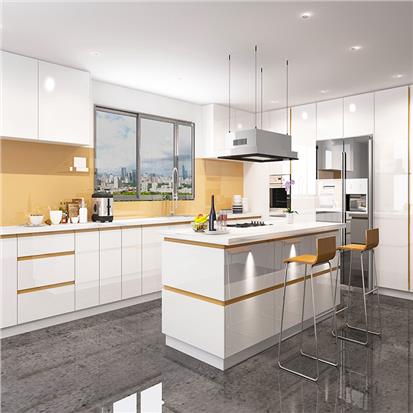
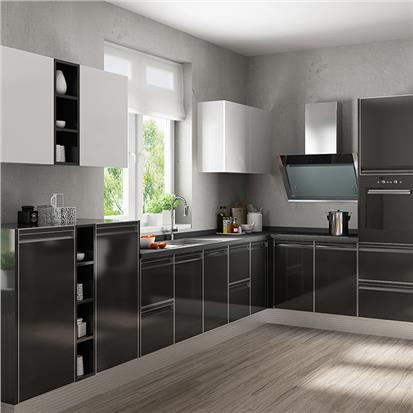
A strong kitchen cabinet supplier should provide different product ranges for different budgets and project types.
Stock Cabinets
Pre-made in standard sizes and common finishes. Ideal for fast delivery and budget projects.
Semi-Custom Cabinets
Allow adjustments in size, finish, storage features, and layout. Popular in mid-range homes.
Custom Cabinets
Made completely to project specifications. Best for luxury homes, villas, and unique spaces.
Ready-to-Assemble Cabinets
Flat-packed cabinets that reduce freight costs and simplify warehousing.
Popular Styles in the US and Europe
Shaker Cabinets
Still one of the top-selling styles in North America because of their timeless design.
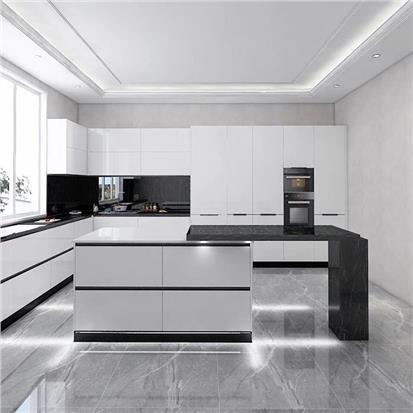
Flat Panel Cabinets
Minimalist and modern, especially popular in Europe.
Wood Grain Cabinets
Natural-looking oak and walnut tones remain strong market trends.
Handleless Kitchens
Growing rapidly in modern apartments and premium homes.
Materials That Affect Quality
Plywood
Excellent strength and moisture resistance. A premium option.
MDF
Smooth surface ideal for painted doors.
Particle Board
Affordable and common in entry-level cabinetry when produced correctly.
Solid Wood
Often used in doors, trims, and premium decorative parts.
How to Evaluate a Kitchen Cabinet Supplier
1. Production Capability
Check if the supplier owns a factory, production scale, machinery, and export experience.
2. Quality Control
Look for inspection systems, finish checks, packaging standards, and replacement policies.
3. Customization
Can they adjust dimensions, colors, hardware, branding, and packaging?
4. Communication
Fast replies and clear quotations are critical for smooth projects.
5. Delivery Reliability
Confirm lead time, shipping methods, and container loading experience.
Why Global Sourcing Is Popular
Many buyers in the US, Canada, UK, and EU source cabinets internationally because they can gain:
- Better pricing
- Larger product selection
- Factory-direct supply
- OEM / private label options
- Capacity for project orders
With the right supplier, global sourcing can be highly competitive.
Kitchen Cabinet Pricing Factors
Prices depend on:
- Material choice
- Finish type
- Hardware quality
- Cabinet size
- Customization level
- Order volume
- Freight costs
That is why two quotes can differ significantly.
Common Buyer Types
Homeowners
Need design, value, and simple installation.
Contractors
Need reliable schedules and repeat quality.
Developers
Need volume pricing and phased deliveries.
Dealers
Need branding support and stable supply.
Common Mistakes to Avoid
- Choosing only the cheapest quote
- Ignoring shipping time
- Ordering without samples
- No written specifications
- No after-sales agreement
Why Hanse Is a Reliable Choice
Hanse provides kitchen cabinet solutions for residential and commercial buyers who need dependable export service.
Advantages include:
- Modern and classic cabinet styles
- Custom sizes and finishes
- Project support
- Quality inspection
- Export packaging
- One-stop sourcing for cabinets, doors, surfaces, and interior materials
Website: www.hansetile.com
Questions to Ask Before Ordering
- What board material is used?
- Are soft-close hinges included?
- What is the lead time?
- Can you provide drawings?
- How are cabinets packed?
- What happens if items arrive damaged?
- Do you offer OEM branding?
Choosing the right kitchen cabinet supplier is about more than price. It is about quality, communication, customization, and long-term reliability.
A strong supplier can help homeowners build a better kitchen, contractors complete projects smoothly, and distributors grow profitable businesses.
If you are sourcing for Western markets, Hanse offers dependable cabinet solutions with export experience and one-stop project support.







 16
16